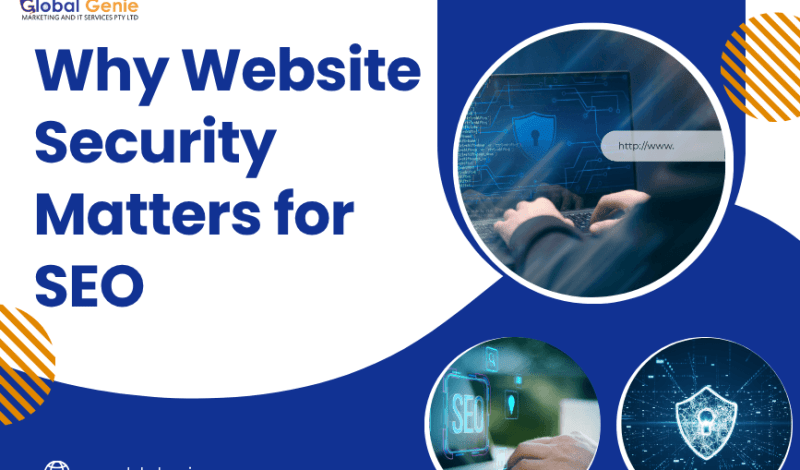
As more and more people are using the internet, cyberattacks are also increasing day by day. Thus, website security is becoming more important than ever. It is estimated that cyberattacks cost 8 trillion a year. Website security is not only important for protecting users’ data but also for the website’s improvement in search engine optimization. Users often prefer those sites that prioritize their protection and they feel more confident while engaging.
However, if you ignore security, it will result in harming your reputation, reducing search visibility, and making it difficult to handle customer data. In a country like Australia, where people use the internet to search for information, security of websites becomes the primary key. Scroll this article to know the importance of website security and its impact on SEO.
Is Website Security Important for SEO?
Yes, website security is very important for SEO. A secure website gains trust among users and protects their data. At the same time, it can enhance the ranking of it. Here are the reasons why it is significant:
Enhances Users’ Experience and Trust
Security measures like HTTPS build trust with users. It encourages users to spend more time on your site and share their information. A secure website assures users that their data is safe, which leads to a more positive user experience.
Protect Users’ Data
Your first priority must be protecting users’ data. This is crucial as it builds trust and prevents potential risks. It helps with issues like theft or financial losses. The overall trust contributes to better SEO performance.
Google’s Ranking Algorithm
Google uses a website’s security (HTTPS) as a ranking factor. A website with strong security sends a positive signal about the website. On the other hand, an insecure website can face difficulty in search results and lower its rankings.
Gain Reputation
If your website is secure, it gives a positive impact on your brand and builds trust with visitors. This impact leads to conversions and positive word-of-mouth. Additionally, it fosters customer loyalty and encourages business growth.
Prevent Spams
If you want to prevent malware or spam attacks then you must invest in securing your websites. These attacks could harm your website’s performance and user experience. At the same time, most search engines remove infected websites from indexing. Keep your website software, theme, and plugin up to date to patch security vulnerabilities.
Long-Term Investment
Investing in a website’s security can improve your website’s health and SEO success. This secure environment helps both users and the website owner.
Best Strategies to Improve Website Security for Better SEO
1. HTTPS and SSL Certificates
- HTTPS: HTTPS’ importance comes first when Google prioritizes secure websites which is why you must implement it.
- SSL Certificates: Implement an SSL certificate that is used to encrypt data transmission, ensuring secure connection and user trust.
- Verification: Make sure that the SSL certificate is valid and properly configured.
2. Strong Password Policies and Multi-Factor Authentication (MFA)
- Complex Password: Avoid using date of birth, names, or number series as passwords. You must ensure every user of the website has a strong, unique, and long password.
- Change the Password: The users must not keep a password for long. You must ask them to change the password mandatorily.
- MFA: Use MFA to provide additional security that makes it difficult for unauthorized users to access the website.
3. Regularly Update Software and Plugin
- Security Patches: Keep all of your software, themes, and plugins up to date to patch security vulnerabilities.
- Alerts: Enable alerts to notify when new security patches or enhancements are released.
4. Security Monitoring and Audits
- Security Audits: Operate regular security audits to identify vulnerabilities and weaknesses.
- Log Monitoring: Review website logs on a regular basis for suspicious activity and potential security breaches.
5. Web Application Firewall (WAF)
- A WAF is like a barrier between your website and the internet. It blocks malicious traffic and protects against various web-based attacks.
6. Backup Your Data
- Regularly back your data to prevent data loss in the case of a security breach. You can also use automated backup solutions for protecting data.
Conclusion
Website security is necessary for potential risks as well as maintaining and enhancing your SEO performance. SEO has several components that bring opportunities for driving traffic. It attracts users to your page. For better search engine ranking, security of the website is crucial to protect users’ data, comply with regulations, and build trust.
Remember, a secure website has a higher chance of generating leads and revenue. Additionally, it adds value to the overall user experience. With strong security, users can easily engage with your website. Implementing our above strategies can help you build a safe, secure, and SEO-friendly website, ensuring everlasting business growth in the digital landscape.
Ready for Page One? We’ll Take You There.:- https://www.globalgenie.com.au/get-started-now/

Global Genie is a leading Australian digital marketing and SEO agency dedicated to helping businesses thrive online. We specialize in delivering tailored digital solutions that drive visibility, engagement, and revenue growth. Our expertise are SEO, PPC advertising, Social media marketing, website design & development.